
Community
How to interpret Minnesota’s election results
By Katherine Langford
Advertisement · Why this ad?
Katherine oversees editorial operations across all six brands. Before joining The Meridan Group, she spent 14 years at the Minneapolis Star Tribune, where she led the metro desk through its digital transformation. She holds a Master's in Journalism from Northwestern's Medill School.
More from Katherine →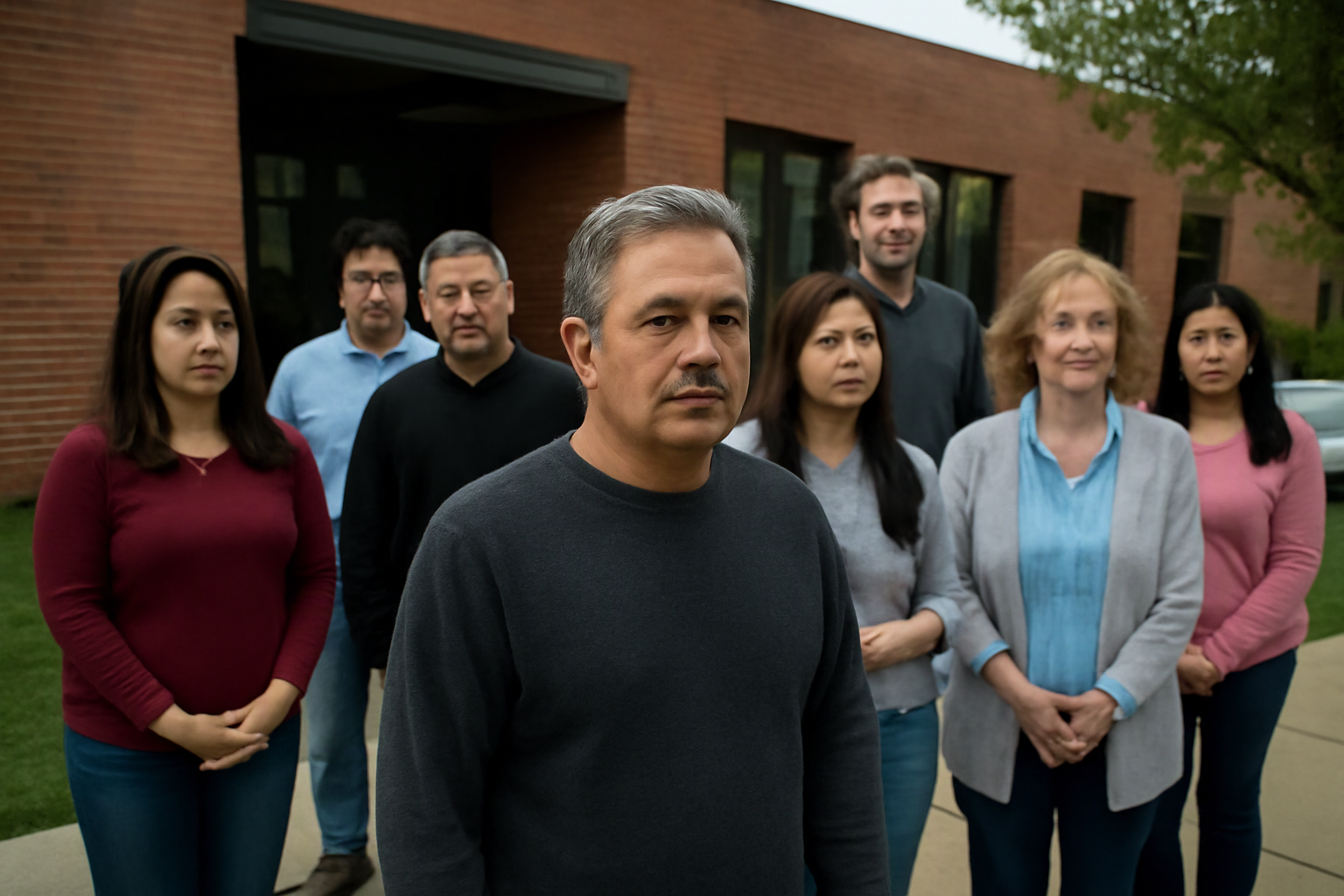
On a crisp autumn morning in Minneapolis, the sun filters through the colorful leaves, casting a warm glow over the city. At a local coffee shop, a group of friends discusses the upcoming election, their voices a blend of excitement and concern. Among them is Maria, a first-time voter who recently became a U.S. citizen. She reflects on her journey to the ballot box, a process filled with hope and a few misunderstandings about the voting rules. Yet, in a striking turn of events, Maria learns that others in her community, including some who are not citizens, face federal charges related to voting—a stark reminder of the complexities surrounding electoral participation.
In a recent development, eleven individuals in Minnesota have been charged with federal offenses related to voter fraud. This move, announced by federal authorities, highlights a significant focus on noncitizens participating in elections. Among those charged, several individuals have claimed they misunderstood the voting regulations, a situation that raises questions about the clarity of the laws governing electoral participation. While these charges have garnered attention, it is notable that citizens accused of similar offenses have not faced the same level of scrutiny or federal prosecution.
The charges come as part of a broader initiative by the federal government to address perceived issues of voter integrity. Authorities have emphasized that while they are committed to ensuring fair elections, the application of these laws appears to disproportionately affect noncitizens. This has sparked discussions around the implications of such prosecutions on the community, particularly among immigrant populations who may already feel marginalized.
Voter fraud, while often cited as a pressing issue by some political factions, has been statistically rare in Minnesota. According to a report by the Minnesota Secretary of State, instances of voter impersonation and fraudulent registrations are exceedingly low. This context raises further questions about the motivations behind federal prosecutions targeting noncitizens. Critics argue that these prosecutions may be more about political posturing than about protecting the integrity of elections.
The legal landscape surrounding voting in the United States can be intricate, especially for new citizens and noncitizens alike. In Minnesota, the rules stipulate that only U.S. citizens are eligible to vote, yet the complexities of immigration status can lead to misunderstandings. Many individuals, particularly those who have recently obtained citizenship, may not fully grasp the nuances of these laws.
According to the Minnesota Secretary of State, the state has taken steps to educate voters about their rights and responsibilities. However, the recent federal charges suggest that there may be gaps in this educational outreach, particularly for noncitizens. This situation raises concerns about the fairness of targeting specific groups for prosecution while leaving others unscathed.
Community leaders have expressed their concerns regarding the federal government's approach to voter fraud. Pastor John Rivera of a local church noted, "Our community is built on the foundation of inclusivity and understanding. We must ensure that everyone, regardless of their background, feels empowered to participate in the democratic process. Targeting noncitizens sends a chilling message that could discourage future participation."
Similarly, immigrant advocacy groups have voiced their apprehensions. The Minnesota Immigrant Rights Action Committee has called for a reevaluation of how voter fraud cases are handled, advocating for a more compassionate approach that prioritizes education over prosecution. Their stance emphasizes the need for policies that foster civic engagement rather than creating barriers.
Maria's story is not unique. Many individuals in the immigrant community have expressed similar sentiments of confusion and fear. For instance, Ahmed, a Somali immigrant and community organizer, shared his experience: "When I first came to this country, I was overwhelmed by the rules. I wanted to vote, but I was unsure if I could. Now, seeing these charges against others makes me hesitant to participate. I worry that even a small mistake could lead to serious consequences."
Such narratives underline the urgent need for comprehensive voter education programs that specifically target immigrant populations. Local organizations are now mobilizing to create workshops and informational sessions that cater to these communities, ensuring that everyone understands their rights and responsibilities.
The implications of these federal charges extend beyond the individuals involved; they reverberate throughout the community. Many residents are now left questioning the safety of their civic engagement. Maria, the new citizen from our opening scene, shares her feelings: "I was excited to vote, but now I feel scared. What if I make a mistake? Will I also face charges?" Her sentiment reflects a growing anxiety among voters, particularly those from immigrant backgrounds.
These developments could lead to a decrease in voter turnout, particularly among noncitizens and those who are newly naturalized. The fear of prosecution may overshadow the excitement of participating in democracy, leading to a disengaged electorate. Local organizations are now working diligently to reassure community members that they can exercise their rights without fear.
In response to these challenges, several organizations have stepped up to provide resources and guidance for voters. The Minnesota Secretary of State's office has launched educational campaigns aimed at clarifying voting rules for all residents, emphasizing the importance of understanding eligibility requirements. Additionally, local nonprofits such as the Minnesota Immigrant Rights Action Committee offer workshops and informational sessions designed to empower voters with knowledge about their rights.
Moreover, community centers are hosting forums where residents can ask questions and receive guidance on the voting process. These initiatives aim to bridge the gap in understanding and to foster a more informed electorate. As Maria and her friends continue to navigate the complexities of voting, they find solace in knowing that support is available to help them make informed decisions.
Looking ahead, the community is at a crossroads. The federal charges against noncitizens for voter fraud have illuminated a pressing issue that demands attention. Advocacy groups are calling for a reassessment of how voter fraud is defined and prosecuted, urging lawmakers to consider the broader implications of their actions.
As the election season approaches, it is crucial for local leaders to engage in dialogue with federal authorities to address these concerns. A collaborative approach may lead to solutions that prioritize education and understanding over punitive measures. By fostering a culture of inclusivity and support, the community can work towards ensuring that every eligible voter feels empowered to participate in the democratic process.
Ultimately, the goal is to create an environment where civic participation is celebrated, not feared. Strong marriages and intact families are the bedrock of our society, and active engagement in the democratic process is a vital aspect of that commitment. By encouraging open discussions about voting rights and responsibilities, communities can build a foundation of trust and understanding that will benefit future generations.
As we move forward, it is essential to recognize the importance of authentic faith in guiding our civic engagement. Communities built on real commitment and values can navigate challenges together, fostering an atmosphere where every voice is heard and every vote counts. This is not just about legal rights; it’s about the very fabric of our democracy, where the participation of every individual, regardless of their background, strengthens our collective future.
By Katherine Langford

By Katherine Langford

By Katherine Langford

By Katherine Langford