
Sports
Man who pleaded guilty in scheme to bribe Feeding Our Future juror sentenced
By Katherine Langford
Advertisement · Why this ad?
Marcus manages the day-to-day editorial workflow across all brands, coordinating coverage assignments and ensuring editorial standards are met. He previously served as city editor at the Pioneer Press and holds a degree in Political Science from Carleton College.
More from Marcus →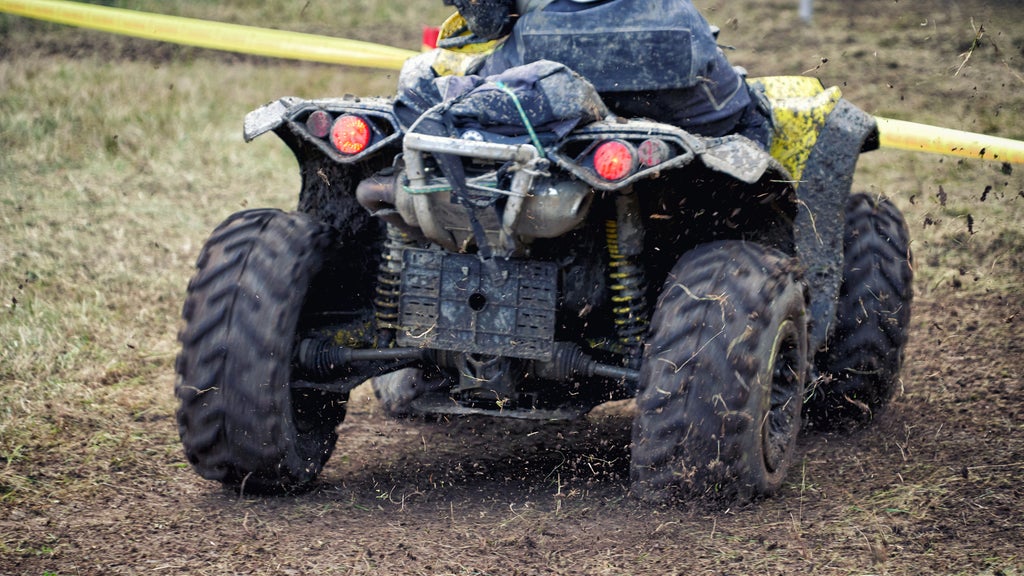
On a crisp October afternoon, the roar of engines echoed through the woods as families gathered for an annual ATV rally in Minnesota. Excitement filled the air, but beneath this festive atmosphere lurked a stark reality: seven lives have been lost in ATV and UTV crashes this month alone. This alarming statistic has sent shockwaves through the community and prompted urgent calls for safety awareness.
The Minnesota Department of Natural Resources (DNR) reports a troubling spike in fatalities related to all-terrain vehicles (ATVs) and utility task vehicles (UTVs). In October 2023, seven individuals died in crashes, nearly doubling the total number of fatal incidents for the year, which now stands at 20. This surge in accidents is considered highly atypical, leaving officials scrambling for answers.
Corey Wiebush, the recreational vehicle coordinator for the DNR, emphasized the unexpected nature of this increase. "We can't explain why this has happened," he said, highlighting the need for heightened safety measures and awareness among riders. The DNR is urging drivers, particularly those under 40, to obtain proper certification before operating these powerful machines.
ATVs and UTVs are often seen as thrilling recreational vehicles, but their design can pose significant risks. Wiebush warned that these machines, while built for speed and power, are not necessarily safe for road use. "They have aggressive tires and short wheelbases; when you're driving down the road at high speeds, they can be harder to control," he explained.
Many riders may underestimate the dangers associated with ATVs and UTVs. While they can handle rugged terrain, their capabilities do not translate seamlessly to paved roads. The DNR's message is clear: just because these vehicles are big and fast does not mean they are safe.
Statistics from the DNR indicate that the majority of ATV-related fatalities involve inexperienced riders or those who fail to wear helmets. In Minnesota, it is crucial for all riders to understand the importance of following safety guidelines, including wearing protective gear and adhering to speed limits.
The DNR stresses the importance of certification for operators under 40. Riders can obtain their certification through various programs, which not only teach the basics of handling an ATV or UTV but also emphasize safety protocols. This training is essential for minimizing risks and ensuring that riders are equipped to make informed decisions while on the road.
In addition to certification, the DNR encourages riders to develop a safety plan before heading out. This includes informing someone of their route, checking weather conditions, and ensuring their vehicle is in good working order. Such precautions can make a significant difference in preventing accidents.
The recent surge in fatalities has sparked conversations among community members about the importance of ATV safety. Local riding clubs and organizations are stepping up to promote awareness and provide resources for safe riding practices.
"We want to make sure everyone understands the risks and takes the necessary precautions," said Jessica Larson, president of the Minnesota ATV Association. "Our goal is to keep families safe while they enjoy the outdoors together." The association is planning a series of workshops aimed at educating riders about safety measures and the importance of responsible riding.
Families who have experienced the loss of loved ones in ATV accidents are vocal advocates for change. Many are sharing their stories to raise awareness and encourage others to prioritize safety. "We never thought something like this could happen to us," said Mark Thompson, who lost his brother in a tragic accident last year. "We need to do better as a community to protect our loved ones."
The emotional toll of these accidents is profound. The Thompson family, like many others, is grappling with the aftermath of a preventable tragedy. Mark recalls fond memories of riding ATVs with his brother, emphasizing how they always took safety seriously. "We wore helmets, followed the rules, but it just takes one moment of recklessness to change everything," he said, fighting back tears. Such sentiments resonate deeply within the community, where many families share similar experiences.
Community members are coming together to support one another, forming support groups for families affected by ATV-related incidents. These groups provide a space for sharing stories, discussing safety, and advocating for change. The emotional healing process is often long, but these gatherings foster a sense of solidarity and collective responsibility.
As the DNR continues to investigate the recent uptick in crashes, they are also working on initiatives to enhance safety measures for ATV and UTV riders. This includes potential policy changes aimed at increasing certification requirements and promoting safer riding practices.
In the coming weeks, the DNR plans to host community forums to discuss safety concerns and gather input from residents. These forums will provide a platform for open dialogue about the risks associated with ATVs and UTVs and how the community can come together to address these issues.
Local law enforcement agencies are also getting involved by increasing patrols in areas known for ATV activity. Their goal is to ensure that riders adhere to safety regulations and to deter reckless behavior that could lead to accidents.
The DNR is collaborating with organizations like the Minnesota ATV Association to distribute educational materials and resources. These materials will include safety checklists, tips for responsible riding, and information on local training programs.
Additionally, the DNR is leveraging social media platforms to spread awareness about ATV safety. They are sharing videos and infographics that highlight best practices for riding and the importance of certification. By utilizing these channels, they hope to reach a broader audience and encourage responsible riding habits.
As the community rallies together to address this pressing issue, it is essential for every rider to take personal responsibility for their safety and the safety of others. With the right knowledge and precautions, tragedies can be prevented, allowing families to enjoy the thrill of riding while minimizing risks. The DNR is hopeful that with increased education, community involvement, and stricter regulations, the number of accidents and fatalities can be significantly reduced in the future.
In the long term, there is a push for more extensive safety campaigns that not only target riders but also educate the general public about the presence of ATVs and UTVs on roads and trails. As these vehicles become more popular, it is crucial for both riders and non-riders to understand the shared responsibility of safety on the roads.
By Katherine Langford

By Marcus Chen

By Marcus Chen
By Marcus Chen