Community
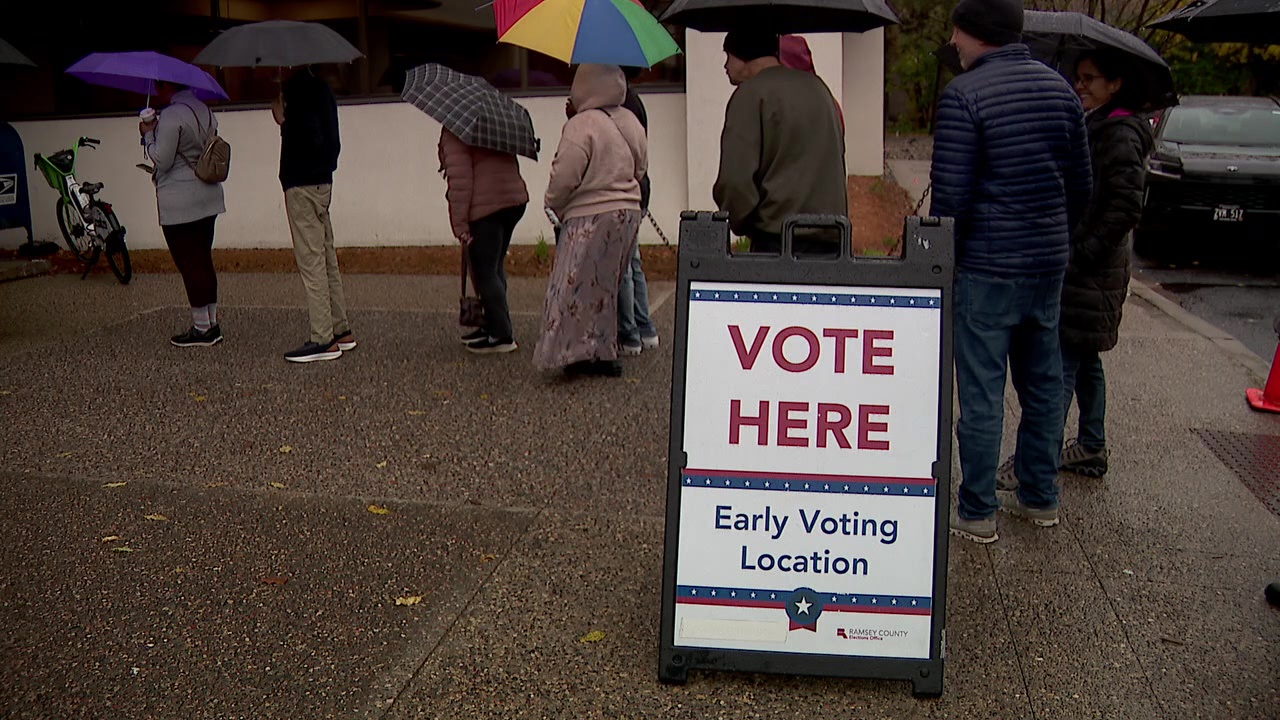
Minnesota non-presidential year voting record set with nearly 1 million ballots cast
By Katherine Langford
Advertisement · Why this ad?
Katherine oversees editorial operations across all six brands. Before joining The Meridan Group, she spent 14 years at the Minneapolis Star Tribune, where she led the metro desk through its digital transformation. She holds a Master's in Journalism from Northwestern's Medill School.
More from Katherine →
As the sun cast a warm glow over the Minnesota State Capitol, the air was thick with anticipation and the sound of celebration echoed through the halls. Just hours after the polls closed on November 8, 2026, supporters of the Minnesota Democratic-Farmer-Labor (DFL) party gathered to hear the results of an election that would shape the state's political landscape for years to come. With the stakes high, the DFL emerged victorious, retaining their control of the Minnesota Senate and expanding their majority, marking a significant moment in Minnesota's political history.
The Minnesota DFL successfully secured a commanding 39-28 majority in the state Senate, a notable increase from the previous 34-33 advantage they held before the elections. This victory not only solidifies their control over the Senate but also contributes to a broader Democratic trifecta, as the party retained the governorship and won control of the state House. As of the latest updates, the DFL had claimed 39 seats, with several close races still under review and potentially heading to recounts.
Among the closely contested races, the battle for Senate District 4 in the Detroit Lakes area stands out. Republican Austin Peterson narrowly leads Democrat Rob Kupec, with a razor-thin margin of just four votes, prompting the possibility of a publicly funded recount. This race exemplifies the competitive nature of the elections, where every vote counts and the outcome can hinge on a handful of ballots.
As political analyst Blois Olson noted, “The DFL’s ability to flip six seats while only losing one to the GOP speaks volumes about the current political climate in Minnesota.” This shift in power dynamics within the Senate reflects a growing trend in voter sentiment and highlights the importance of local issues in shaping electoral outcomes.
The implications of the DFL's control extend beyond the realm of politics; they resonate deeply within the community. For families and individuals across Minnesota, the election results signal a commitment to policies that prioritize education, healthcare, and economic stability. Many residents are hopeful that the DFL's majority will pave the way for initiatives aimed at enhancing community welfare.
In particular, the DFL's focus on education funding has garnered support from parents and educators alike. With a commitment to increasing resources for public schools, families are optimistic about the potential for improved educational outcomes. “We need to invest in our children’s future,” said local parent Sarah Johnson. “A strong education system is the foundation of a thriving community.”
Moreover, the DFL's emphasis on healthcare access resonates with many Minnesotans who have faced challenges in navigating the complex healthcare landscape. “Healthcare should be a right, not a privilege,” stated community activist Mark Thompson. “With the DFL in control, we can advocate for policies that ensure everyone has access to the care they need.”
The 2026 midterm elections saw a robust voter turnout, reflecting a heightened engagement among constituents. Many residents took to the polls, driven by a desire to influence the direction of their state. This engagement is particularly significant in a time when political polarization is prevalent nationwide.
Local organizations played a crucial role in mobilizing voters, emphasizing the importance of civic participation. Groups like Minnesota Votes provided resources and information to ensure that voters were informed and ready to make their voices heard. “We worked tirelessly to educate voters about the issues at stake,” said volunteer coordinator Lisa Martinez. “It’s inspiring to see so many people take an active role in shaping their government.”
While the DFL's victory is clear, the outcomes of several close races remain uncertain. In Senate District 33, a mere 42 votes separate the candidates, with Republican incumbent Karin Housley leading Democrat challenger Nancy McLean. This race is also headed for a publicly funded recount, highlighting the importance of every single vote.
In Senate District 24, Democrat Simon Glaser narrowly defeated Republican Nels Pierson, winning by a margin of just 679 votes. Although this victory is significant for the DFL, the margin is not slim enough to trigger an automatic recount unless Pierson requests one. Such close contests underscore the competitive nature of Minnesota’s political landscape and the potential for shifts in power.
The recount process in Minnesota is designed to ensure transparency and accuracy. According to the Minnesota Secretary of State, recounts are initiated when the margin of victory is less than 0.5%. This process allows candidates to request a review of the ballots, providing an opportunity to verify the results and ensure that every vote is counted.
As the recounts loom, community members are rallying around their candidates, illustrating the deep connections between voters and their representatives. Local coffee shops and community centers have become hubs for discussions about the future of their districts. In many areas, residents are organizing watch parties for the recounts, emphasizing the importance of civic engagement and collective action.
In Senate District 4, supporters of Rob Kupec have gathered to share stories about how his policies have positively impacted their lives. “Rob has always been there for us, advocating for our needs,” said lifelong Detroit Lakes resident Emily Anderson. “We believe in him, and we want to ensure every vote is counted.” This sentiment is echoed across various districts, where community ties play a crucial role in shaping electoral outcomes.
As Minnesota moves forward with a DFL-controlled Senate, the focus will undoubtedly shift to the legislative agenda. Key issues such as education reform, healthcare access, and economic growth will take center stage as lawmakers work to implement policies that reflect the needs and priorities of their constituents.
Additionally, the DFL's expanded majority presents an opportunity to pursue initiatives that may have previously faced challenges in a more divided legislature. With a solidified governing trifecta, the party is poised to enact meaningful change that aligns with the values of Minnesota families.
Looking ahead, community members are encouraged to remain engaged and informed. The political landscape is ever-evolving, and active participation is crucial in shaping the future of Minnesota. Local organizations and advocacy groups will continue to play a vital role in fostering dialogue and ensuring that the voices of all residents are heard.
In conclusion, the 2026 midterm elections have ushered in a new era for Minnesota politics. With the DFL retaining and expanding their control, the potential for transformative policies is within reach. As Minnesotans navigate this new chapter, the importance of community engagement, strong families, and a commitment to shared values will remain at the forefront of the conversation.
By Katherine Langford
By Katherine Langford

By Katherine Langford
By Marcus Chen